
Wild dagga flowers
Overview
Wild Dagga, or Leonotis leonurus, is a South African shrub prized for its striking orange flowers and minty scent. Part of the Lamiaceae family, it’s traditionally been used for its medicinal and mild psychoactive effects, providing calming and euphoric sensations when smoked. Its legality varies, so it’s important to check local regulations.
Common name(s): Lion's Tail, Lion's Ear, Wild Cannabis
Scientific name: Leonotis leonurus
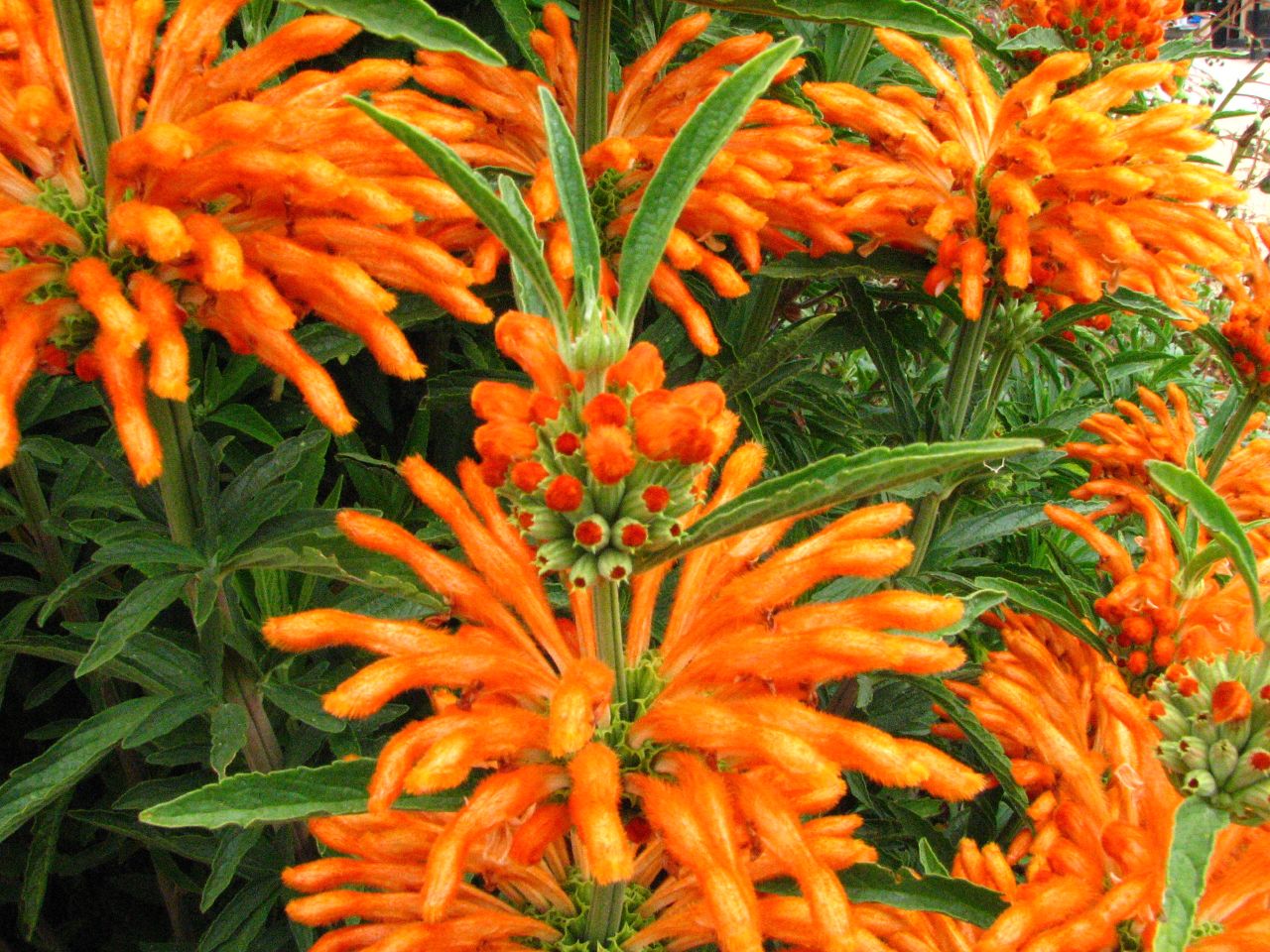
Characteristics
Known for its vibrant orange flowers, traditional medicinal use, and mild psychoactive effects.
Region
Found or grown in Southern Africa.
Natural Habitat
Wild dagga is typically found in open grasslands and shrublands.
Cultivation
Requires full sun, moderate watering, and well-draining, sandy soil with occasional organic fertilization.
Traditional Usage
Wild Dagga flowers have long been recognized in African traditional medicine, with various applications that have played a significant role in healing practices. They have helped to alleviate a host of ailments and have also been featured in cultural ceremonies. The herb is primarily known for:
- Treating fever and reducing high body temperatures.
- Alleviating headaches, offering a natural pain relief option.
- Combating cases of dysentery, and aiding digestive issues.
- Neutralizing the effects of snake bites through its anti-venom properties.
- Delivering mild psychoactive effects, used in spiritual rituals to induce relaxation and euphoria.
These uses reflect the traditional wisdom and respect for the plant’s potential healing powers. However, users should always exercise caution and seek professional advice, as contemporary scientific research is still unfolding to support these historical applications.
Historical Usage
Employed in African traditional medicine for fevers, headaches, dysentery, snakebites and used in cultural rituals.
Common Usage
Currently used for its calming and mildly euphoric effects, often smoked or vaped as a legal alternative to cannabis.
Effects
Wild Dagga is known for its vibrant flowers and has been used traditionally in Africa for its beneficial effects. Individuals who have used this herb report a range of sensations.
Here are some of the general effects that users may experience:
- Calming impact, providing a soothing sensation that can help in relaxation.
- Mildly euphoric feelings, contributing to a sense of joy and well-being.
- Psychological effects, such as an enhanced mood and a light-headed feeling, albeit less intense than those associated with cannabis.
- Potential medicinal benefits, including anti-inflammatory and analgesic properties, although scientific evidence is limited and further study is needed to confirm these effects.
It is important for users to approach Wild Dagga with consideration to its strength and their own responses, as the intensity of effects can vary from person to person. While some may find significant relaxation and enjoyment from its use, others may notice more subdued effects. As with any herb, Wild Dagga should be used responsibly, and those with health concerns or who are taking medications should seek advice from a healthcare professional before use1 4.
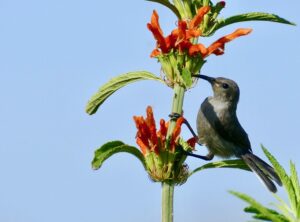
A bird finds tranquility among the blooms known for their serene and subtly uplifting effects.
Effects when smoking
When smoked, Wild Dagga flowers are sought after for their soothing properties. Users often report experiencing a sense of relaxation and a light, euphoric state. This includes feelings of light-headedness and an overall increase in wellbeing.
The effects induced by smoking Wild Dagga are typically mild and more subdued as compared to those produced by cannabis. For most users, these sensations tend to be short-lived, echoing the plant’s less potent nature. The experience is individual, with some finding the herb to be a pleasant alternative to stronger substances, while others may note the effects to be quite subtle.
Regarding flavor, the earthy and somewhat minty tones of Wild Dagga make it a pleasurable smoke for many. Its aromatic profile adds another layer to the soothing smoking experience.
As with any herb, it’s crucial to approach usage mindfully. Starting with a small amount can help gauge individual tolerance and response. Users are encouraged to exercise caution to avoid potential adverse effects, especially when trying Wild Dagga for the first time. It is also important to verify its legal status in your region before use1.
Flavor Profile
Earthy and tobacco-like with a hint of mint-like aroma.
Edible Parts
This plant is not known to be edible.
Effects when Smoked
Induces relaxation and mild euphoria with a light-headed feeling and sense of wellbeing.
User Experiences
User experiences vary, with some reporting relaxation and a mild euphoria, while others may perceive minimal effects.
Medicinal Benefits
Wild Dagga flowers, traditionally valued in African medicine, are reputed to offer several potential medicinal benefits. Although scientific studies are yet to fully confirm these effects, users and traditional healers report a number of health-promoting properties. Here is a list of the reported benefits:
- Anti-inflammatory: May help reduce inflammation, offering relief for conditions like arthritis.
- Analgesic: Could provide pain relief, which may be beneficial for headaches or muscle pains.
- Antiseptic: Has potential antiseptic qualities, useful in treating minor wounds or preventing infections.
- Mild psychoactive effects: Known to induce a state of calm and mild euphoria, which could aid in stress relief and relaxation.
Remember, these uses are primarily based on anecdotal evidence and more research is needed to validate these claims[1] [4]. It’s also wise to start with smaller amounts when experimenting with new herbs to gauge personal sensitivity.
History and Folklore
Historically, Wild Dagga flowers have played a pivotal role in traditional African healing practices. Their use dates back centuries, with the plant featuring in a variety of folk medicinal applications. Native communities turned to Wild Dagga for treating ailments such as fevers, headaches, dysentery, and even snake bites.
Additionally, its mild psychoactive effects were esteemed in cultural and spiritual rituals, signifying its importance beyond physical healing to include spiritual wellness.
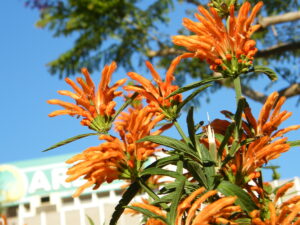
Wild Dagga: A Beacon of Healing and Spirituality in African Traditions
Side Effects and Contraindications
- Side effects of Wild Dagga may include light-headedness or feelings of euphoria. These are typically mild and short-lived.
- Excessive use could potentially lead to negative side effects; however, specific reactions are not well documented.
- Individuals with allergies or those taking other medications should exercise caution and might consider consulting healthcare professionals before use.
- It’s also important to note the potential for allergic reactions. Users should start with small doses to gauge their response.
- Contraindications are limited due to scarce research, but those with underlying health conditions should be particularly cautious.
Concluding, while enjoying Wild Dagga, be attentive to your body’s signals, and always prioritize safety.
Legal Status
The legal status of Wild Dagga is subject to regional regulations. While it is generally legal and readily available in various parts of the world, certain locations may impose restrictions on its purchase, sale, or use. To ensure compliance with the law, it is crucial to verify the specific legislation in your area. This herb should only be used in accordance with local legal guidelines. Misunderstandings of its legal status can result in unintended legal consequences. Always stay informed and consult legal resources if you are unsure about the current status of Wild Dagga where you live1.
References
1. Leonotis leonurus | PlantZAfrica – SANBI, http://pza.sanbi.org/leonotis-leonurus
2. Wild Dagga: Uses, Benefits, and Effects • Herb Stomp, https://www.herbstomp.com/wild-dagga-uses-benefits-and-effects/
3. Wild Dagga: Exploring the Traditional Uses and Benefits, https://www.sprig.co.za/wild-dagga-2/
4. Leonotis leonurus – Wikipedia, https://en.wikipedia.org/wiki/Leonotis_leonurus
Image Credit: safoocat Attribution-NonCommercial-NoDerivs License
Image Credit: Bernard DUPONT Attribution-ShareAlike License
Image Credit: Sofía Attribution-NonCommercial-ShareAlike License

Nicolas Duval
Nicolas is a passionate advocate for nature and the art of wildcrafting. His dedication shines through in Wildcraftia, a website he meticulously crafted to serve as a haven for nature enthusiasts worldwide. Driven by a deep appreciation for nature’s connection to humanity, Nicolas embarked on his journey in 2011 with SmokableHerbs, a platform showcasing his love for nature’s bounty. Building upon this foundation, he established Smokably, a thriving online store offering premium herbs and blends to a global audience.
