
Wild lettuce
Overview
Wild lettuce, or Lactuca virosa, is a plant with a reputation for pain relief and sedation, sometimes called “opium lettuce.” Native to parts of North America and related to common lettuce, it’s been used for conditions like insomnia and restlessness. Active compounds like lactucarium contribute to its calming effects, though its efficacy and safety require more scientific validation.
Common name(s): Opium lettuce, bitter lettuce, poison lettuce, tall lettuce, great lettuce
Scientific name: Lactuca virosa
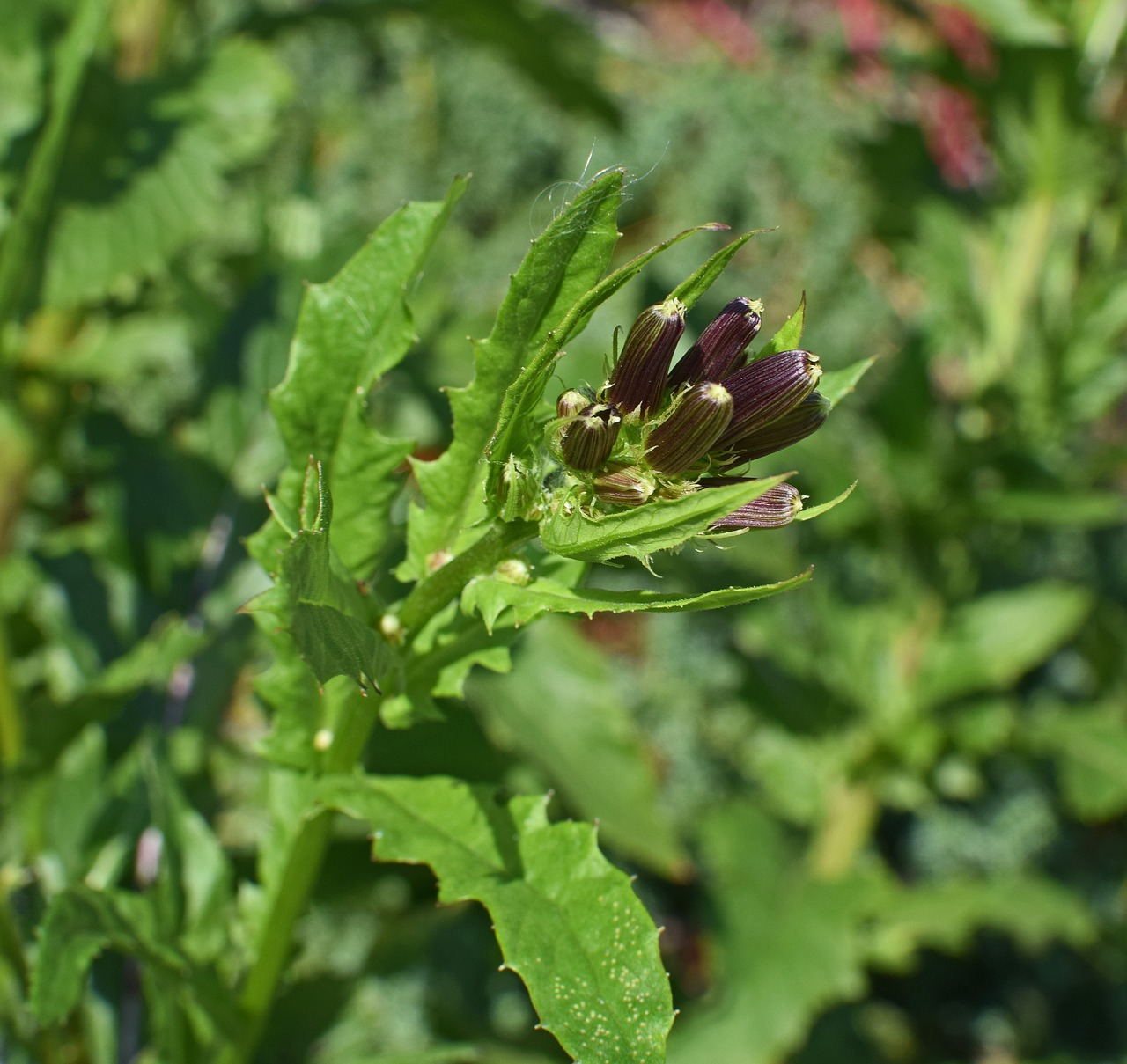
Characteristics
Known for its sedative and pain-relieving properties, and historically termed “opium lettuce.”
Region
Native to parts of Europe, the Middle East, and North America.
Natural Habitat
Commonly found in open woodlands, along roadsides, and in fields.
Cultivation
Prefers full sun to partial shade, moderate watering, and well-drained soil with a loamy or sandy texture.
Traditional Usage
Wild lettuce has a long-standing tradition of use for a variety of health conditions. This plant’s natural properties have made it a staple in homeopathic remedies, particularly known for its calming effects.
Some of the traditional uses include:
- Pain relief for various ailments such as muscle pains and colic.
- Alleviating discomfort during menstrual cycles, known as dysmenorrhea.
- Reducing symptoms of rheumatism, a condition that causes joint pain and inflammation.
- Combatting insomnia and helping with restlessness to promote better sleep.
- Suppressing coughs, providing respiratory support.
These traditional applications highlight wild lettuce’s role as a natural health aid, though it’s important to note that modern scientific research is needed to fully understand its efficacy and safety2.
Historical Usage
Used for pain relief, insomnia, restlessness, coughs, dysmenorrhea, rheumatism, and colic pains traditionally.
Common Usage
Currently used for its analgesic and sedative properties as a natural treatment for pain and anxiety.
Effects
When it comes to wild lettuce, people turn to it for several potential health benefits. This plant is often used as a natural remedy due to its mild sedative and pain-relieving properties. Here’s a snapshot of what it may offer:
- Pain Relief: Many seek out wild lettuce for its analgesic effects, which may help alleviate various types of pain.
- Mild Sedation: Those experiencing insomnia or restlessness might find the sedative properties of wild lettuce beneficial for promoting relaxation and better sleep.
- Natural Treatment: It is considered by some as an alternative to more potent medications, especially for conditions like anxiety and muscle pain.
- Active Compounds: The presence of lactucin and lactucopicrin may contribute to its impact on the central nervous system, leading to its calming and analgesic effects.
- Antibacterial Properties: When applied to the skin, wild lettuce has shown potential in fighting bacteria.
The multitude of traditional applications reflects its versatility, but it’s important to keep in mind that user experiences vary, and the scientific community calls for more research to fully understand its efficacy and safety 2. Those interested in using wild lettuce should do so with caution and consider consulting a healthcare provider before beginning any new herbal regimen 1.

Wild lettuce offers a natural way to achieve a state of calm and alleviate discomfort, positioning itself as a milder alternative in the realm of pain management aids.
Effects when smoking
When smoking wild lettuce, individuals often report distinct effects, which may be experienced more immediately than through oral ingestion. The herb, commonly associated with traditional uses for managing pain and inducing sleep, demonstrates a range of effects, contributed to by its active compounds lactucin and lactucopicrin. These interact with the central nervous system and may offer:
- Mild sedation: Users often feel a gentle calming effect that can be helpful for relaxation and sleep.
- Pain relief: Anecdotal evidence suggests some degree of analgesic benefit, which may be useful for minor aches and pains.
- Quicker onset of effects: Smoking allows the active compounds to be absorbed rapidly, often resulting in faster relief.
- Varying flavor profile: Though smoking the herb is less common, users have described the taste as somewhat bitter.
It is essential to approach the consumption of wild lettuce with caution due to potential risks, limited research on its smoked form, and the absence of established dosage guidelines for this method. Additionally, individuals with allergies or adverse reactions to members of the Asteraceae family should avoid smoking wild lettuce. Furthermore, despite its legality in many areas, it’s crucial to stay informed about regional regulations. Always consult a healthcare provider before beginning any new supplement regimen12.
Flavor Profile
Bitter flavor, with variations in taste reported by users.
Edible Parts
Leaves
Effects when Smoked
Smoking may offer quicker perceived sedative and analgesic effects, though research is limited.
User Experiences
User experiences vary, with some reporting mild pain relief and sedation, while others find little to no effect.
Medicinal Benefits
Wild lettuce is praised for its potential medicinal properties, which are attributed to its active compounds that may help with several ailments. Here’s how it may benefit those opting for natural remedies:
- Acts as a mild sedative, aiding in relaxation and sleep 1.
- Provides analgesic effects, which could be beneficial for pain management 2.
- Potentially mitigates symptoms related to anxiety due to its calming effects 1.
- Applied topically, it may have antibacterial properties to help protect the skin 2.
- Historically used to alleviate other conditions such as restlessness and coughs 2.
While wild lettuce appears promising, it’s important to exercise caution, primarily due to the lack of extensive scientific studies to fully understand its efficacy and safety. Consulting with a healthcare provider is recommended before using this or any herb for medicinal purposes.
History and Folklore
Historically known as “opium lettuce,” wild lettuce has been used for its pain-relieving and sedative properties for centuries. In ancient Greece, people employed it to ease discomfort and as a sleep aid. It also became a remedy for conditions like insomnia, coughs, dysmenorrhea, and rheumatism-related pain. Throughout history, this herb played a significant role in traditional medicine, leveraging its natural analgesic effects to manage various ailments.
Although it has earned the nickname due to its effects, wild lettuce does not contain any opiates.

Bee Pollinating Historically Valued Wild Lettuce, an Ancient Remedy for Pain and Sleep Disorders.
Side Effects and Contraindications
- Potential Side Effects: While not comprehensively studied, wild lettuce could cause allergic reactions in some individuals. Other reported adverse effects may include dizziness, difficulty with urination, excessive sleepiness, and increased heart rate. However, side effects are generally considered to be rare.
- Contraindications: Pregnant or breastfeeding women should avoid wild lettuce due to insufficient safety information. People with enlarged prostates or glaucoma should exercise caution, as wild lettuce may exacerbate these conditions. Given the sedative properties of wild lettuce, it may interact with CNS depressants and other medications, potentially altering their effects. Consulting a healthcare provider before use is highly recommended, especially for those with pre-existing health conditions or those taking medication.
Legal Status
Wild lettuce is broadly legal and is often sold as a dietary supplement, especially in the United States. This status, however, can differ depending on specific regional regulations and may change over time. It is crucial to stay updated on local laws to ensure compliance when purchasing or using wild lettuce for its sedative and pain-relieving properties. While it is permitted in many areas, it is always wise to consult with a healthcare provider for guidance and to verify any legal considerations relevant to your region.
Users should be aware that although it is legal, as with any substance, its use should be safe and informed.
References
1. Healthline. “Wild Lettuce (Lactuca virosa): Pain Relief, Benefits and Risks.”, https://www.healthline.com/nutrition/wild-lettuce
2. The Botanical Institute. “4 Benefits Of Wild Lettuce: Dosage & Safety.”, https://botanicalinstitute.org/wild-lettuce/
Image Credit: leoleobobeo
Image Credit: begonvilliev
Image Credit: Siegella

Nicolas Duval
Nicolas is a passionate advocate for nature and the art of wildcrafting. His dedication shines through in Wildcraftia, a website he meticulously crafted to serve as a haven for nature enthusiasts worldwide. Driven by a deep appreciation for nature’s connection to humanity, Nicolas embarked on his journey in 2011 with SmokableHerbs, a platform showcasing his love for nature’s bounty. Building upon this foundation, he established Smokably, a thriving online store offering premium herbs and blends to a global audience.
