
Damiana
Overview
Turnera diffusa, known as Damiana, is a fragrant shrub native to Southern Texas, Mexico, and Central America. Historically utilized as an aphrodisiac, Damiana is reputed for its traditional uses in boosting libido and alleviating depression. Although its medicinal benefits are not fully proven, its active compounds suggest potential health effects. Smoking Damiana may induce relaxation, but individual experiences vary.
Common name(s): Common name: Damiana
Scientific name: *Turnera diffusa*
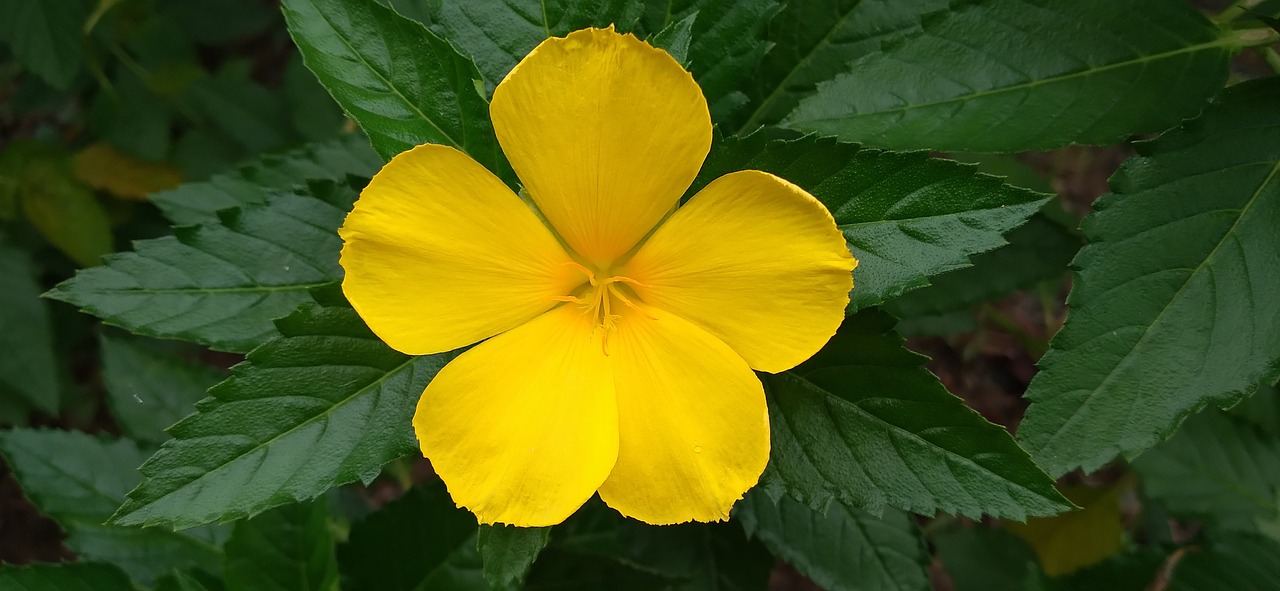
Characteristics
Known for its traditional use as an aphrodisiac, aromatic leaves, and potential medicinal benefits for sexual health and mood disorders.
Region
Southern Texas, Mexico, Central America, South America, and the Caribbean.
Natural Habitat
Damiana is typically found in dry, rocky, open areas and tropical climates.
Cultivation
Prefers full sun or partial shade, regular watering with well-drained soil, and can tolerate drought once established.
Traditional Usage
Damiana has a rich history of use in traditional medicine, primarily for its supposed boost to sexual health and as a mood enhancer. The leaves of the Damiana plant have been the mainstay of its medicinal use, but occasionally, the flowers and fruit were also utilized. Used across various cultures, the herb has been attributed to aiding with a range of conditions.
- Enhancing libido, described as an aphrodisiac.
- Alleviating depressive moods, contributing to emotional well-being.
- Reducing anxiety, helping to create a sense of calm.
The implications of these traditional applications continue to drive current interest in Damiana, as people search for natural remedies for emotional and sexual health concerns3.
Historical Usage
Used traditionally as an aphrodisiac, and for mood disorders such as depression and anxiety.
Common Usage
Currently used as a natural remedy for sexual dysfunction, mood enhancement, and as a relaxation aid.
Effects
Damiana has a reputation for its traditional use and the general effects that many users seek for various reasons. This versatile herb has been linked to a range of effects, from psychological to physical well-being. The warmth and relaxation often experienced can be attributed to the compounds within the leaves of the plant. Here are some of the notable general effects:
- A sense of relaxation, often described as soothing for both the body and mind.
- Mild euphoria is sometimes reported, which may contribute to its use as an aphrodisiac.
- Possible benefits on sexual health and increased libido, although more scientific research is needed to confirm these effects.
- Historical applications suggest it could play a role in improving mood disorders such as depression and anxiety, but again, further studies are essential to validate these uses.
While these effects could be promising, it is important to note the need for scientific substantiation. As with any herb, it is advisable to consult with a healthcare provider before incorporating Damiana into your routine, especially if you have underlying health conditions or are taking other medications4.
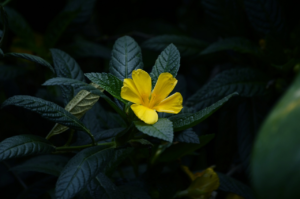
Damiana: A Natural Source of Relaxation and Mild Euphoria with a History of Aphrodisiac Use
Effects when smoking
Smoking Damiana can lead to a variety of effects, often reflecting its historical use as an aphrodisiac and mood enhancer. Individuals may experience different sensations, but common outcomes include:
- Relaxation: A calming effect is frequently reported, helping to ease stress and tension.
- Mild Euphoria: Users may feel a subtle increase in well-being and happiness.
- Enhanced Mood: Some find that it lifts their spirits, potentially alleviating symptoms of mild depression.
While these effects are possible, they are primarily based on anecdotal evidence1. As with all herbal practices, responses to Damiana can vary from person to person. There are no well-documented clinical trials to provide definitive dosage guidelines or to fully understand the potential risks, which might include adverse reactions when taken in large doses or by individuals with specific health conditions4.
When considering smoking Damiana, start with a modest quantity to ascertain how your body reacts. If you have health concerns or are taking other medications, consulting with a healthcare provider beforehand is advised.
The smoking experience itself is described as having a light, aromatic flavor, although some might notice a bitter aftertaste. The ideal smoking technique depends on personal preference, often involving mixing Damiana with other herbs to create a balanced profile.
Remember, while Damiana is generally legal in the United States, laws may vary locally. Always check your area’s regulations to ensure compliance4.
Flavor Profile
Light and aromatic with a somewhat bitter aftertaste.
Edible Parts
Leaves, flowers, and fruit
Effects when Smoked
Produces a relaxing and mildly euphoric sensation, though effects are subjective and not scientifically validated.
User Experiences
User experiences with Damiana vary, with some noting enhanced mood and libido, while others observe little to no effect.
Medicinal Benefits
Damiana is an herb that has been traditionally valued for its potential to enhance wellbeing. While scientific research is yet to confirm these benefits conclusively, anecdotal evidence and historical use suggest that Damiana may offer several health-related advantages, such as:
- Promoting sexual health, acting as a natural aphrodisiac4.
- Alleviating depressive moods, linked to its use in traditional medicine3.
- Reducing anxiety, offering a sense of relaxation to users1.
- Inducing a mild sense of euphoria, associated with its calming effects when smoked1.
As with any herbal supplement, it’s recommended to consult with a healthcare provider before using Damiana, especially in regard to proper dosage and potential risks4.
History and Folklore
Historically, Damiana has been recognized for its aphrodisiac qualities and has been employed in traditional medicine for its potential to elevate mood, enhance libido, and alleviate anxiety. The leaves have been the primary part used, although on occasion, flowers and fruit were also utilized for various healing practices. Its storied past extends across different cultures, signifying its widespread acceptance and integration into medicinal customs.3
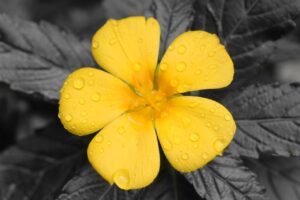
Historically valued for its mood-enhancing and libido-stimulating properties, Damiana has been a principal ingredient in traditional medicine across various cultures.
Side Effects and Contraindications
While Damiana is appreciated for its traditional benefits, it’s important to be aware of possible side effects. These can include changes in blood sugar levels, which may affect people with diabetes4. Others may experience gastrointestinal discomfort, such as nausea or diarrhea, when consuming larger amounts of the herb. Convulsions and symptoms similar to those caused by strychnine poisoning have been reported in extremely high doses4.
Contraindications:
Certain individuals should avoid Damiana, especially those who are pregnant or breastfeeding, due to insufficient evidence on its safety in these populations4. Additionally, since it may affect blood glucose levels, anyone scheduled for surgery should stop taking Damiana at least two weeks before the procedure. As with most herbs, if you’re currently on medication or have health concerns, it’s crucial to consult with a healthcare provider before incorporating Damiana into your routine.
Legal Status
The legal status of Damiana varies depending on the region. In the United States, Damiana is generally legal. However, it’s important for individuals to verify the current regulations in their local area as the legality can change and may differ from place to place. Before using Damiana, checking with local authorities can ensure compliance with any specific legislation or guidelines.
Always stay informed about the latest legal status to avoid any unintentional legal issues.
References
1. AncientHerbsWisdom. “All About Damiana: Your 50 Burning Questions Answered.” AncientHerbsWisdom.com. 17 Oct. 2023. https://www.ancientherbswisdom.com/damiana-50-questions-and-answers/
2. Live-native.com. “Damiana – characteristics, cultivation, care, and use.” https://www.live-native.com/damiana/
3. The University of Texas at El Paso. “Damiana – Herbal Facts.” https://www.utep.edu/herbal-safety/herbal-facts/herbal%20facts%20sheet/damiana.html
4. Verywell Health. “Damiana: Uses, Benefits, Side Effects, Dosage.” https://www.verywellhealth.com/damiana-what-should-i-know-about-it-89557
5. Wikipedia. “Turnera diffusa.” https://en.wikipedia.org/wiki/Turnera_diffusa
Image Credit: phongvothanh
Image Credit: Victor_Cartagena
Image Credit: eera5607

Nicolas Duval
Nicolas is a passionate advocate for nature and the art of wildcrafting. His dedication shines through in Wildcraftia, a website he meticulously crafted to serve as a haven for nature enthusiasts worldwide. Driven by a deep appreciation for nature’s connection to humanity, Nicolas embarked on his journey in 2011 with SmokableHerbs, a platform showcasing his love for nature’s bounty. Building upon this foundation, he established Smokably, a thriving online store offering premium herbs and blends to a global audience.
