
Calea Zacatechichi
Overview
Calea zacatechichi, known as “dream herb,” is a traditional plant of the Aster family, indigenous to Mexico and Central America. Used for centuries in rituals and folk medicine, its reported effects include sedation and enhanced dream recall when smoked, though such claims lack scientific evidence. With an inherently bitter taste, the plant’s dosage and potential risks are not scientifically established, and its legal status varies by location.
Common name(s): "Dream herb," "bitter grass"
Scientific name: Calea ternifolia Kunth
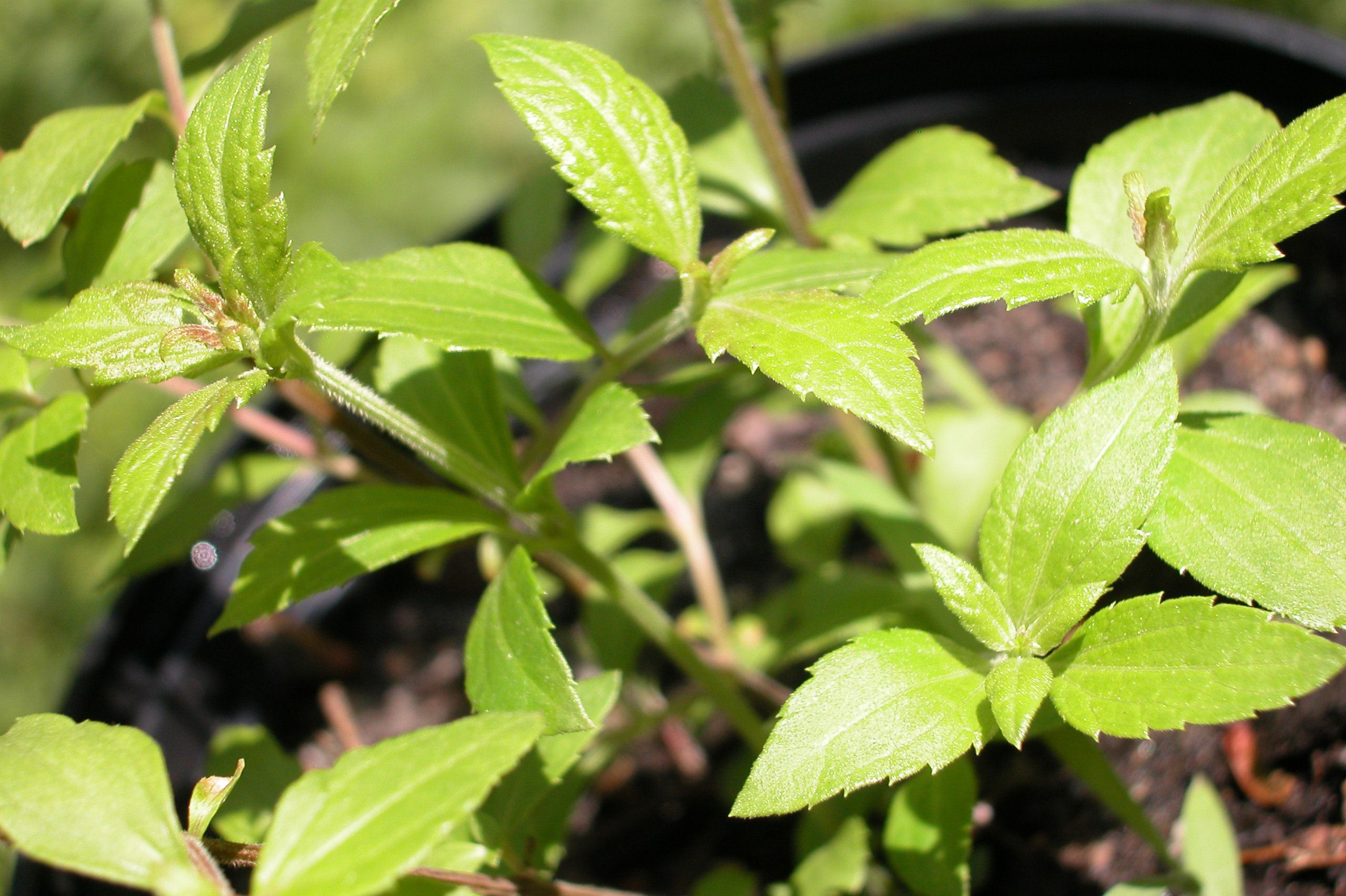
Characteristics
Known for its traditional use in inducing vivid dreams and purported medicinal benefits, despite limited scientific evidence.
Region
Native to Mexico and Central America.
Natural Habitat
Native to Mexico and Central America, it’s typically found in dry bushland or tropical forests.
Cultivation
Thrives in full sun to partial shade, prefers well-drained soil and moderate watering.
Traditional Usage
Calea Zacatechichi, often referred to as the “dream herb,” is celebrated for its diverse traditional uses. Primarily, it has been utilized by indigenous cultures for both its medicinal properties and in spiritual practices to influence dreams. Some of its traditional applications include:
- Treating digestive issues like an upset stomach
- Alleviating periodic fevers and related symptoms
- Resolving skin diseases through various preparations
- Combating conditions such as diabetes and liver bile problems
These practices, rooted in folk medicine, have been passed down through generations. While the contemporary use of Calea Zacatechichi spans treating anxiety and enhancing memory, it’s essential to note that these modern applications are mostly anecdotal, as scientific research to fully support these claims is still lacking1 5.
Historical Usage
Used medicinally and in spiritual practices by indigenous cultures in Mexico and Central America to induce visions and dreams.
Common Usage
Currently used for anxiety, insomnia, memory enhancement, and headaches.
Effects
Calea zacatechichi, often known as “dream herb” or “bitter grass,” has been traditionally utilized for its purported medicinal and therapeutic properties. This herb, native to Mexico and Central America, has been a part of indigenous culture and folk medicine for centuries. Despite historic use, the scientific support for these effects is still emerging.
Here are some of the general effects claimed by users of this herb:
- Sedative qualities, which might help with anxiety or insomnia.
- Promotion of lucid dreaming and the enhancement of dream recall, leading to its common name “dream herb.”
- May provide relief for gastrointestinal complaints like an upset stomach.
- Traditionally used to treat periodic fevers and a variety of conditions including diabetes and skin diseases.
- It has also been associated with improved memory and headache relief.
It is important to note that while these effects are widely reported by individuals, there is a lack of comprehensive scientific studies to fully endorse their validity1 3 5. Additionally, as with any herb or supplement, potential risks and side effects should be acknowledged. Always consult with healthcare professionals before starting any new herbal regimen, especially when considering the diversity in individual reactions and the potential for interactions with other medications1.

Calea zacatechichi is reputed for inducing vivid dreams and heightening dream recall, making it a plant of interest for dream enthusiasts and researchers.
Effects when smoking
When smoked, Calea Zacatechichi—often referred to as the “dream herb”—is said to provoke a range of effects. While scientific validation is scarce, users frequently report:
- Vivid Dreams: Many users claim an enhancement in the vividness of their dreams, leading to more memorable and detailed dream experiences.
- Improved Dream Recall: Some individuals find that they can remember their dreams more easily and with greater clarity after using Calea Zacatechichi.
- Sedative Effect: A gentle sense of relaxation is another commonly reported outcome, which may assist those looking to ease into sleep.
- Lucid Dreaming: There are anecdotes of the herb aiding in achieving lucid dreams, where the dreamer becomes aware they are dreaming and can potentially control the dream narrative.
However, these reported effects are primarily based on personal accounts and lack robust scientific evidence15. The actual impact can vary greatly between individuals.
The flavor is described as bitter, hence its nickname “bitter grass,” which matches historical records and user accounts3.
Without established dosage guidelines, anyone considering Calea Zacatechichi should proceed with caution and consult with a healthcare provider, particularly due to potential risks and the absence of documentation on side effects or interactions1.
Remember that the legal status of smoking herbs varies widely, so it’s necessary to check local laws before using Calea Zacatechichi1.
Flavor Profile
Bitter flavor profile.
Edible Parts
This plant is not known to be edible.
Effects when Smoked
Reported effects include vivid dreams and improved dream memory, based on anecdotal evidence.
User Experiences
User experiences vary from mild relaxation and vivid dreaming to no noticeable effects at all.
Medicinal Benefits
The potential medicinal benefits of Calea Zacatechichi are rooted in traditional use, particularly for fostering relaxation and aiding gastrointestinal distress. Although comprehensive scientific studies are limited, anecdotal evidence and historical practices suggest possible therapeutic effects. Here are some noted traditional uses:
- Treating upset stomach to alleviate digestive discomfort.
- Reducing periodic fevers and acting as a mild sedative.
- Promoting better sleep, combating insomnia, and relieving anxiety.
- Enhancing dream recall, believed to be beneficial for mental and emotional health.
- Possibly assisting in managing mild headaches and other pain.
Users seeking natural remedies at home might find these traditional benefits appealing. However, it is crucial to underline that the lack of substantial scientific evidence necessitates a cautious approach. Consulting healthcare professionals prior to use is highly advisable to ensure personal health and safety1.
History and Folklore
With roots in indigenous traditions, Calea zacatechichi was embraced by the cultures of Mexico and Central America for its medicinal and spiritual significance. Historically, it served as a remedy for an array of health issues like stomach upsets and fevers. It also played a prominent role in spiritual practices, employed by shamans and healers to induce visions or articulate dreams during ceremonial rituals.
Today, while the evidence for its efficacy is anecdotal, the fascination with its traditional uses persists, luring those interested in exploring the boundaries between waking life and the dream world5.
Calea zacatechichi: A revered herb in indigenous Mexican and Central American cultures for its dream-inducing and medicinal properties.
Side Effects and Contraindications
- Side effects of Calea Zacatechichi may include nausea, vomiting, and a sensation of dizziness during its initial use. Some people also report experiencing hangover-like symptoms after use.
- Contraindications: This herb should not be used by individuals with a history of liver issues, as there is inadequate research on its impact on liver health.
- Individuals who are pregnant or breastfeeding should avoid use due to the lack of safety information.
- Those taking other medications should consult with a healthcare professional before use to avoid potential interactions[1].
Legal Status
The legal status of Calea zacatechichi is not uniform worldwide. Generally, it is considered legal in many countries, but this status can change based on regional laws. Before using or obtaining the herb, it’s crucial for users to research and confirm Calea zacatechichi‘s legality within their own country or jurisdiction. As regulations can evolve, staying up-to-date with the current legal framework is of utmost importance to ensure compliance with local laws1.
References
1. CALEA ZACATECHICHI: Overview, Uses, Side Effects, Precautions … – WebMD. https://www.webmd.com/vitamins/ai/ingredientmono-1270/calea-zacatechichi
2. Calea ternifolia – Wikipedia. https://en.wikipedia.org/wiki/Calea_ternifolia
3. Calea zacatechichi Schltdl. – Plants of the World Online. Kew Science. https://powo.science.kew.org/taxon/urn:lsid:ipni.org:names:187802-1
4. Calea Zacatechichi: What to Know About the ‘Dream Herb’ – Healthline. Healthline. https://www.healthline.com/health/calea-zacatechichi
5. Calea ternifolia Kunth, the Mexican ‘dream herb’, a … – Botany. Canadian Science Publishing. https://cdnsciencepub.com/doi/full/10.1139/cjb-2021-0063
Image Credit: longan drink
Image Credit: FullyFunctnlPhil
Image Credit: longan drink

Nicolas Duval
Nicolas is a passionate advocate for nature and the art of wildcrafting. His dedication shines through in Wildcraftia, a website he meticulously crafted to serve as a haven for nature enthusiasts worldwide. Driven by a deep appreciation for nature’s connection to humanity, Nicolas embarked on his journey in 2011 with SmokableHerbs, a platform showcasing his love for nature’s bounty. Building upon this foundation, he established Smokably, a thriving online store offering premium herbs and blends to a global audience.
